Hunting in Engerdal — big game and small game in the Femund wilderness
Hunting is woven into life here in Engerdal — the municipality that Drevsjø and Forest Ranger Farm belong to. In fact, Engerdal has the highest density of hunters relative to its population of any municipality in Norway. For locals and visiting hunters alike, the moose hunt and the ptarmigan season are the highlights of the year, and the vast state commons (Statsallmenningen) around the farm offers terrain that suits every kind of small game hunting.
Big game hunting (storviltjakt)
Moose (elg) is the king of the hunt here. Around 200 moose are harvested in Engerdal every year, and the population is slowly increasing — the municipality's goal for the coming years is actually to reduce it somewhat. There are also smaller populations of roe deer and beaver, with roughly 20–30 of each felled annually.
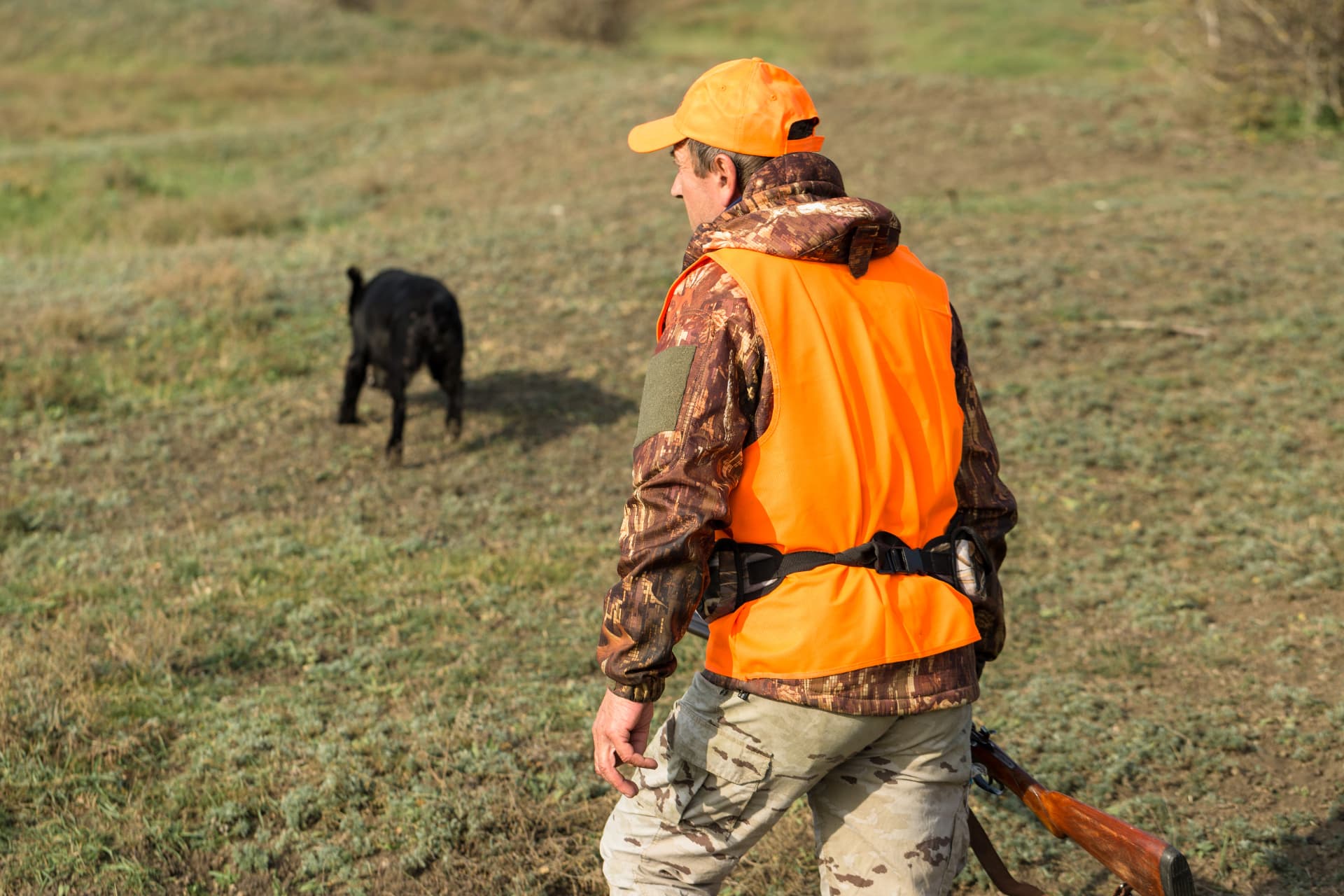
Moose hunting in Norway is largely organized through local hunting teams with quotas on private and common land, so it is of most interest to our guests as background — the rhythm of the autumn here. But if you stay with us in late September and October, you will hear the shots echoing across the valley and see the orange vests in the forest.
Small game hunting (småviltjakt)
Small game hunting is where visitors can genuinely take part. On the state commons you can hunt ptarmigan (rype), hare, capercaillie (tiur), black grouse (orrhane), duck, and pigeon. The commons covers around 1.8 million decares, of which roughly 400,000 lie above the treeline — everything from dense pine forest to open mountain plateau. Hare hunting is especially popular here, thanks to good hare populations and few wolves in the municipality.
Season: The main small game season is in autumn. September hunting is quota-regulated, with an application deadline of 1 April; after that period, hunting cards are sold freely for the rest of the season. Bird-dog training cards are sold from 21 August. Exact dates and quotas are set each year based on population counts, so check the current details with Engerdal Fjellstyre before planning your trip.
Requirements: To hunt on the state commons you must have lived in Norway for the past year, be registered in the Norwegian Hunter Register (Det Norske Jegerregister), and hold a valid hunting license fee (jegeravgift). The receipt must be carried while hunting. Note that some areas are protected: all hunting is prohibited in Gutulia National Park, the Galtsjøen nature reserve, and on Sollerøya in Femund, while Femundsmarka National Park and Kvisleflået have limited hunting.
Hunting on the state commons is administered by Engerdal Fjellstyre — their office is right here in Drevsjø. Hunting cards can be bought online in a few clicks via Inatur — small game hunting on the state commons in Engerdal.
Grazing animals and dogs — things to know before you go
At the start of the hunting season, grazing sheep may still be out in the terrain on the commons. For September hunting, dogs must have documented proof (no older than 2 years) that they are sheep-safe (sauerein).
East of Femund lies the Elgå reindeer grazing district, known as Svahken sijte — Norway's southernmost Sami reindeer grazing district. Most of the area lies east of Femunden, but a winter grazing area also extends west of the lake. Around 75 % of the district lies within national parks and other protected areas. A reindeer fence runs north along all of Drevsjø, roughly 500 meters behind the farm in the woods, marking the edge of the reindeer grazing area.
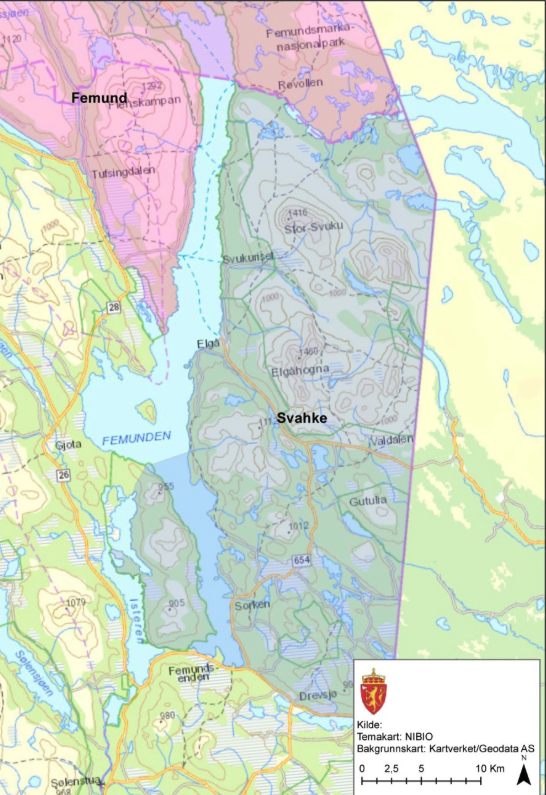
In the Elgå reindeer grazing district, only hare hunting is allowed, and only with dogs that are cloven-hoof-game-safe (klovdyrrein). You can read more about the district's history and boundaries on Gaavnøs — Svahke reinbeitedistrikt.
Dog-friendly accommodation for hunters
Forest Ranger Farm is a practical base for a hunting trip in Engerdal. We are used to working dogs — Siberian Huskies live here year-round — and we know that a good hunting dog is part of the team. That is why well-behaved dogs are welcome inside the house during Airbnb rentals, not just in a kennel or the car. After a long day on the mountain or in the forest, both you and your dog can warm up indoors.
The farm sits right at the edge of the state commons, so you can be out in the terrain early in the morning and back for a hot meal in the evening. If you want tips on where to go, current conditions, or just a safe place to leave the dog while you sort gear, we are happy to help.
For an overview of the species you might encounter, see our wildlife page. When you are ready to book your stay, visit our contact page or send us a message.