Nature at its wildest
Drevsjø sits in the heart of reindeer land, surrounded by deep forests and open wilderness. The animals here are not attractions — they are neighbors.
Around the farm, you will find moose moving silently through the birch and pine, reindeer herds crossing the land by season, and signs of wolverines, bears, lynx, and even the occasional stray wolf. The area is one of the most wildlife-rich corners of inland Norway.
The apex predators (bears, lynx, wolves, and wolverines) are very shy, and especially human-shy animals, so if you ever see one consider yourself lucky to have such an encounter.
The farm lies next to Femund lake, a vast body of water that shapes the local climate and draws birds, fish, and mammals to its shores. In winter, the lake freezes into a silent white plain; in summer, it reflects the long Nordic evenings.
Drevsjø is also known as one of the coldest places in Southern Norway. The cold record stands at -47°C. That extreme climate is part of what keeps the landscape raw, the forests quiet, and the wildlife experience so intense.
Apex predators
The wildest residents of the forest. These predators are shy and human-avoidant, so any encounter — even tracks in the snow — is a rare privilege.
Brown bears
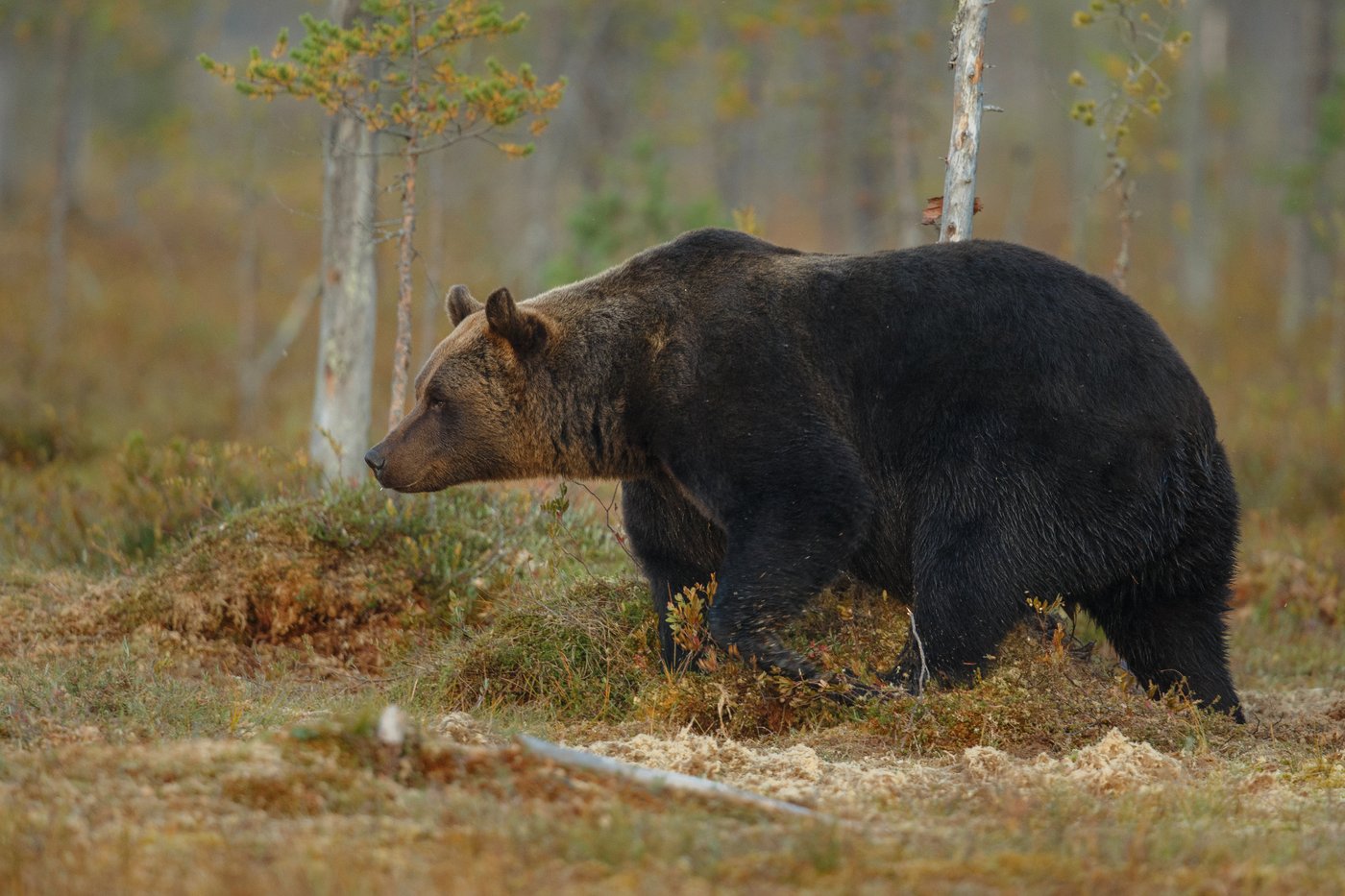
Present in the region, though shy and rarely seen close to the farm. We had a sighting of a bear in the woods behind the farm in May 2025.
Read more on Wikipedia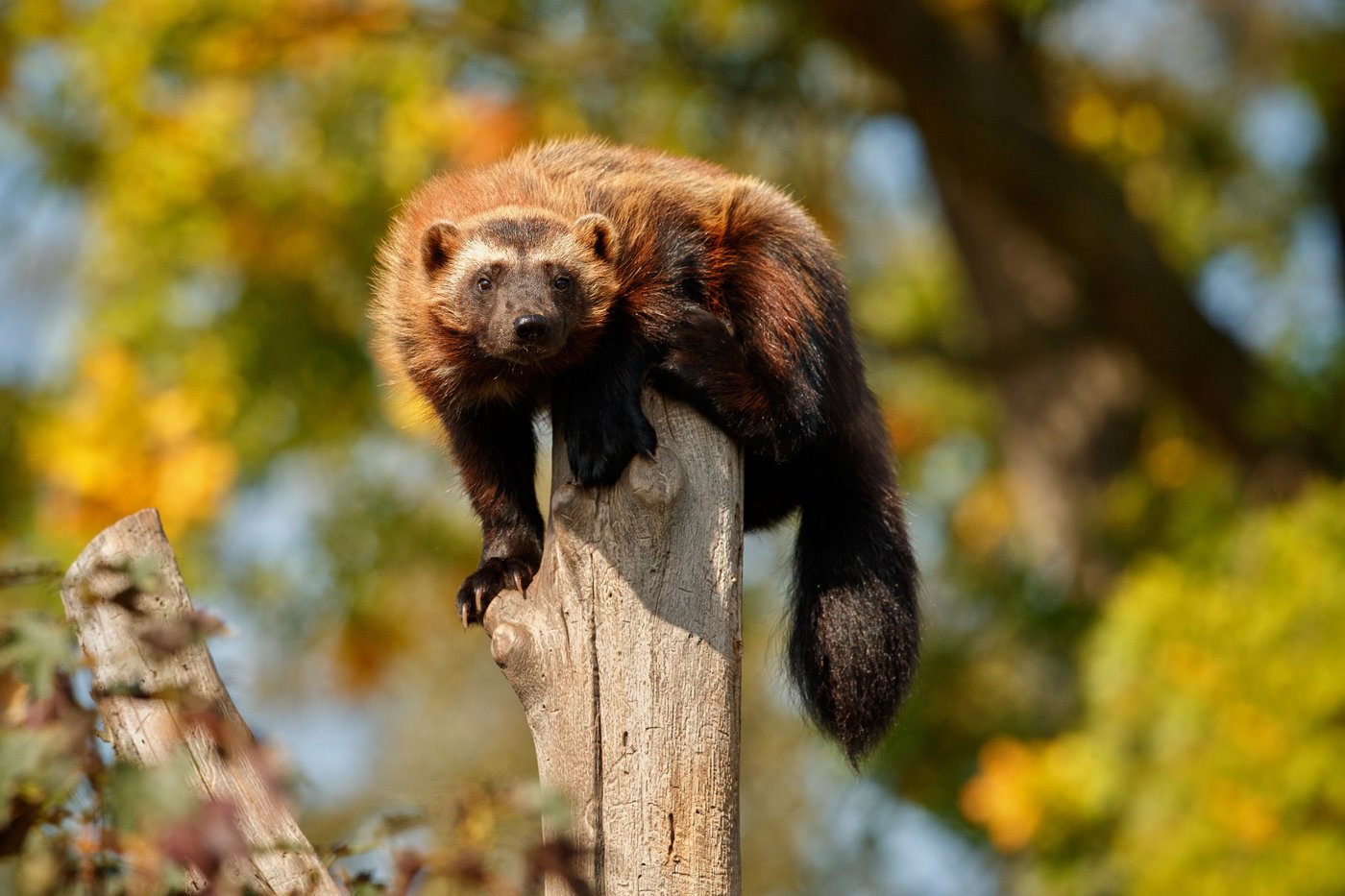
Wolverines
Elusive forest wanderers; signs of them appear in snow and mud. The last sighting of a wolverine less than a kilometre from the farm was in April 2026.
Read more on Wikipedia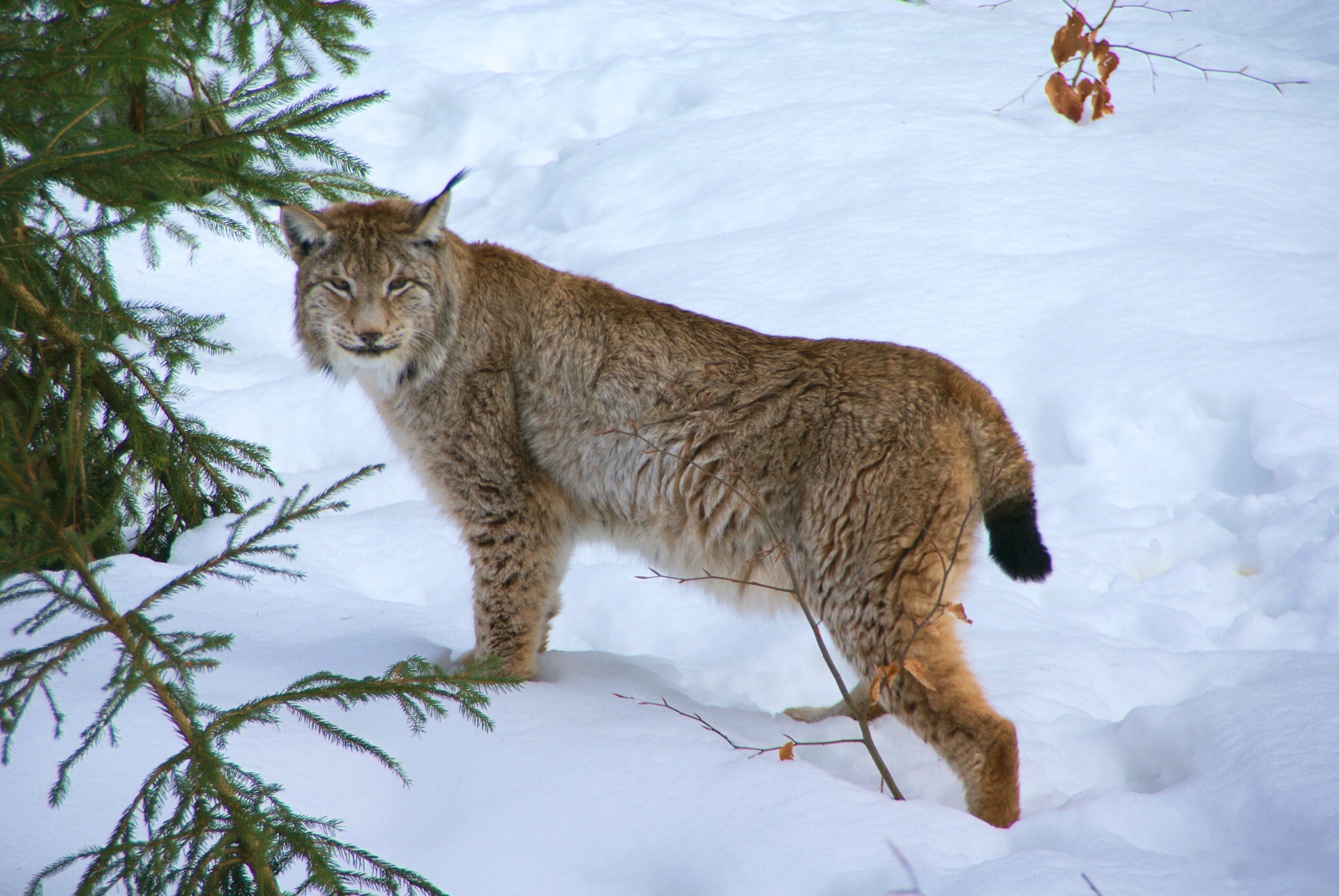
Lynx
There are regular sightings of lynx in our region. It is an extremely human-shy animal, so catching a glimpse of one is a rare and memorable experience.
Read more on WikipediaImage: Aconcagua — CC BY-SA 3.0
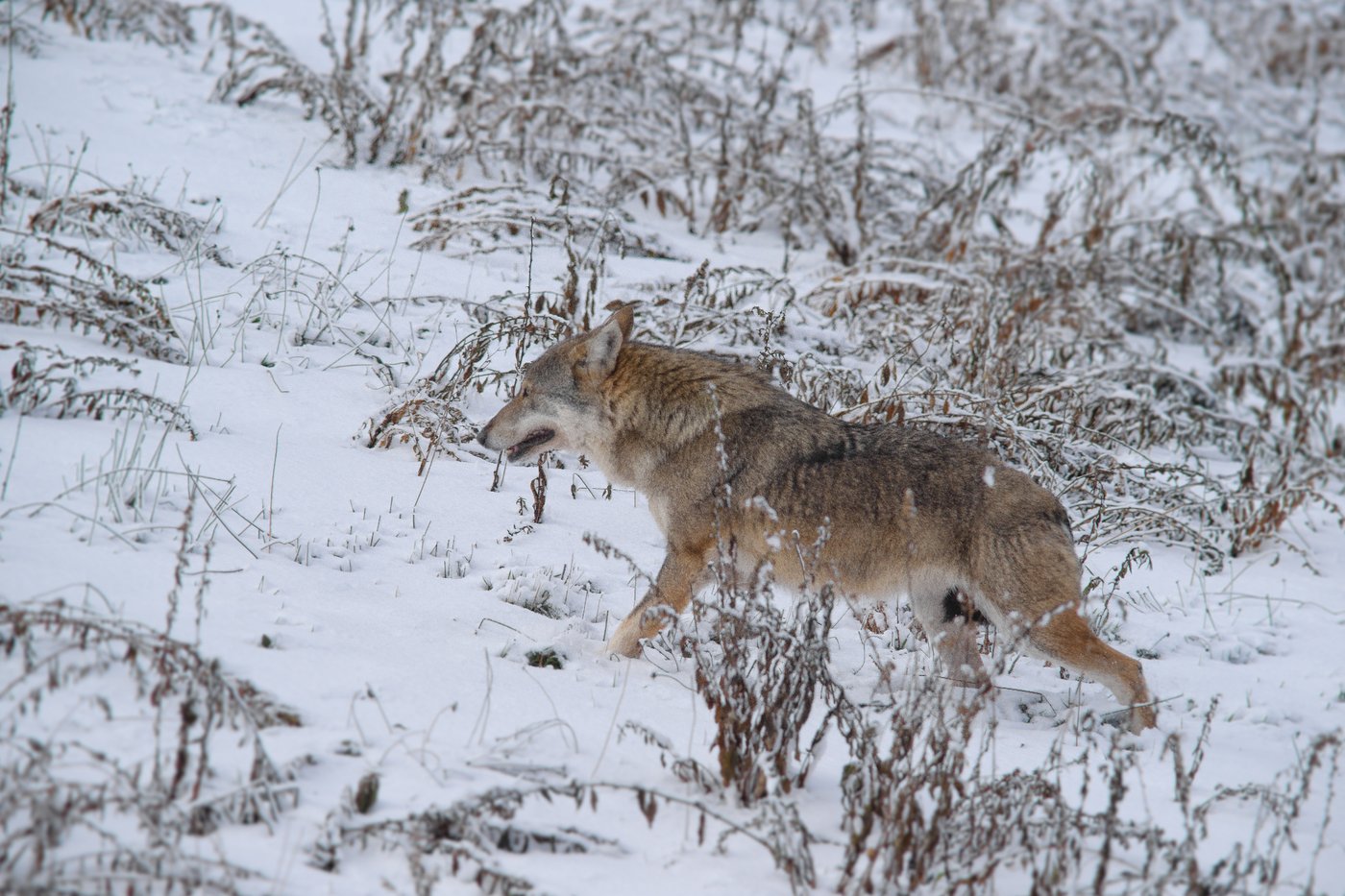
Wolves
Stray wolves pass through the wider wilderness from time to time. Last sighting of wolf was in our neighbour county, Stor-Elvdal, in July 2026.
Read more on WikipediaDeer family
The grazing neighbours of the farm. Moose, reindeer, and roe deer move through the forest and fields, often visible at dawn and dusk.
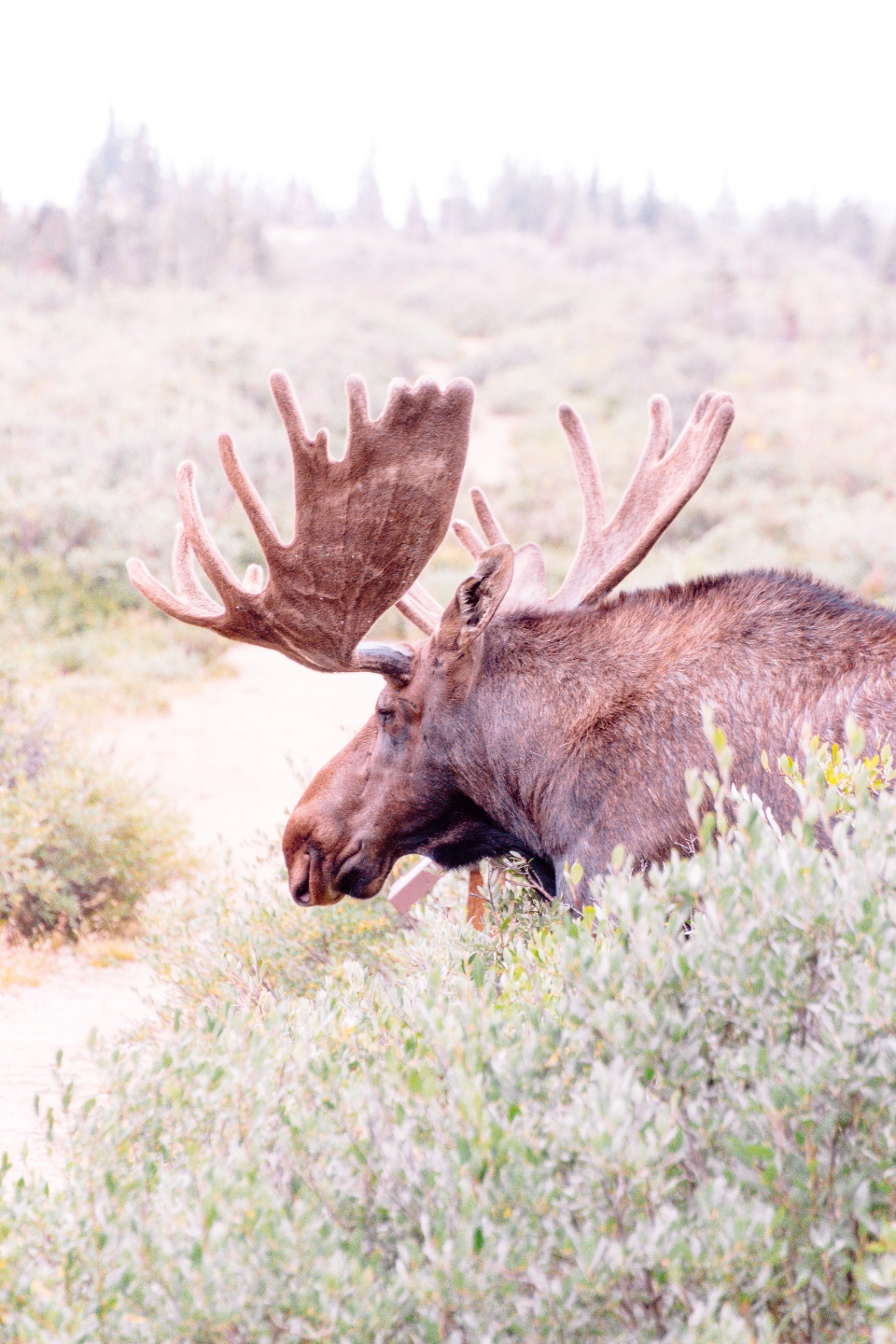
Moose
The king of the forest is a common sight in the area throughout the year, especially at dawn and dusk. We get moose close up to the main house at times, and they very often wander in the forest behind the farm buildings.
Read more on Wikipedia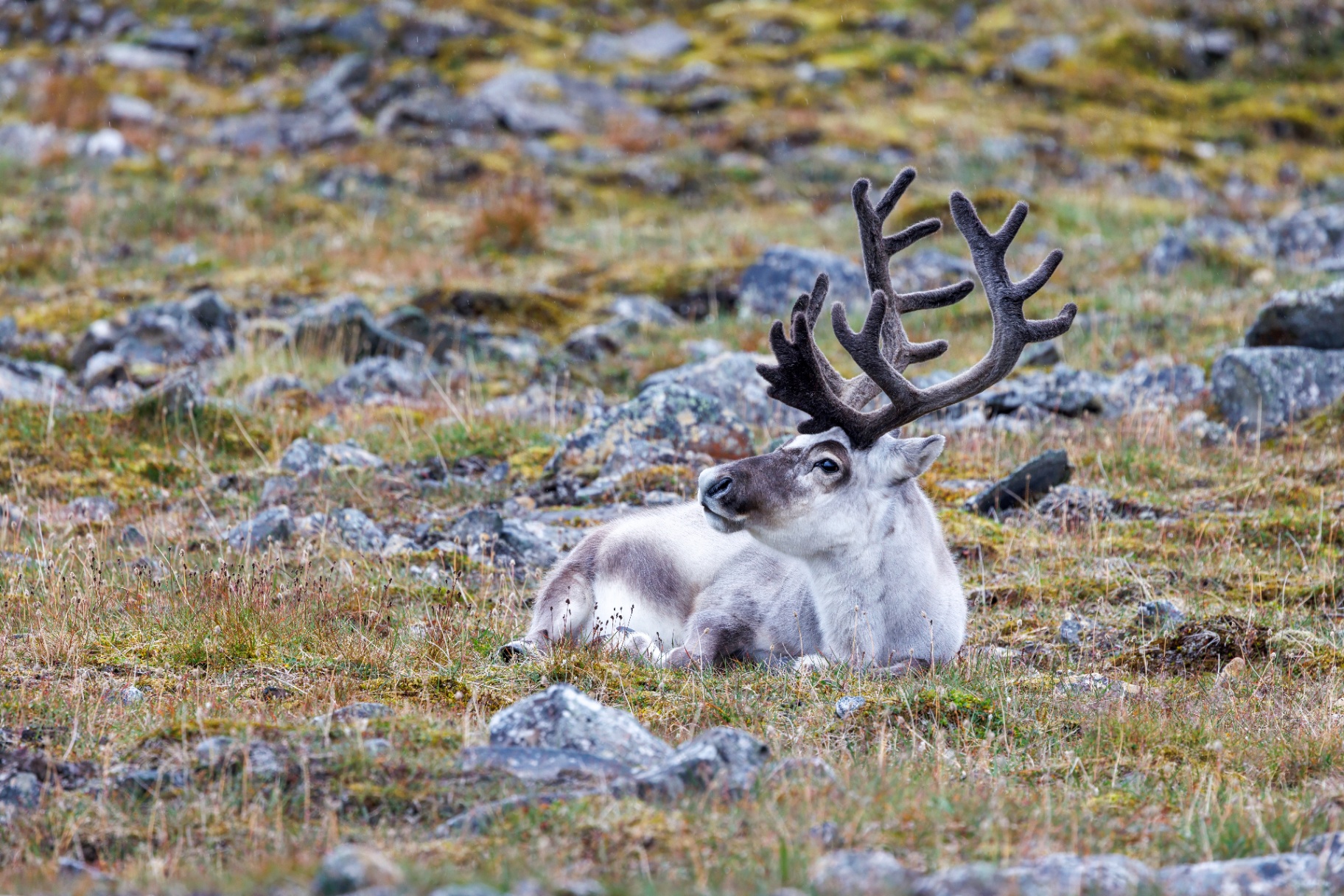
Reindeer
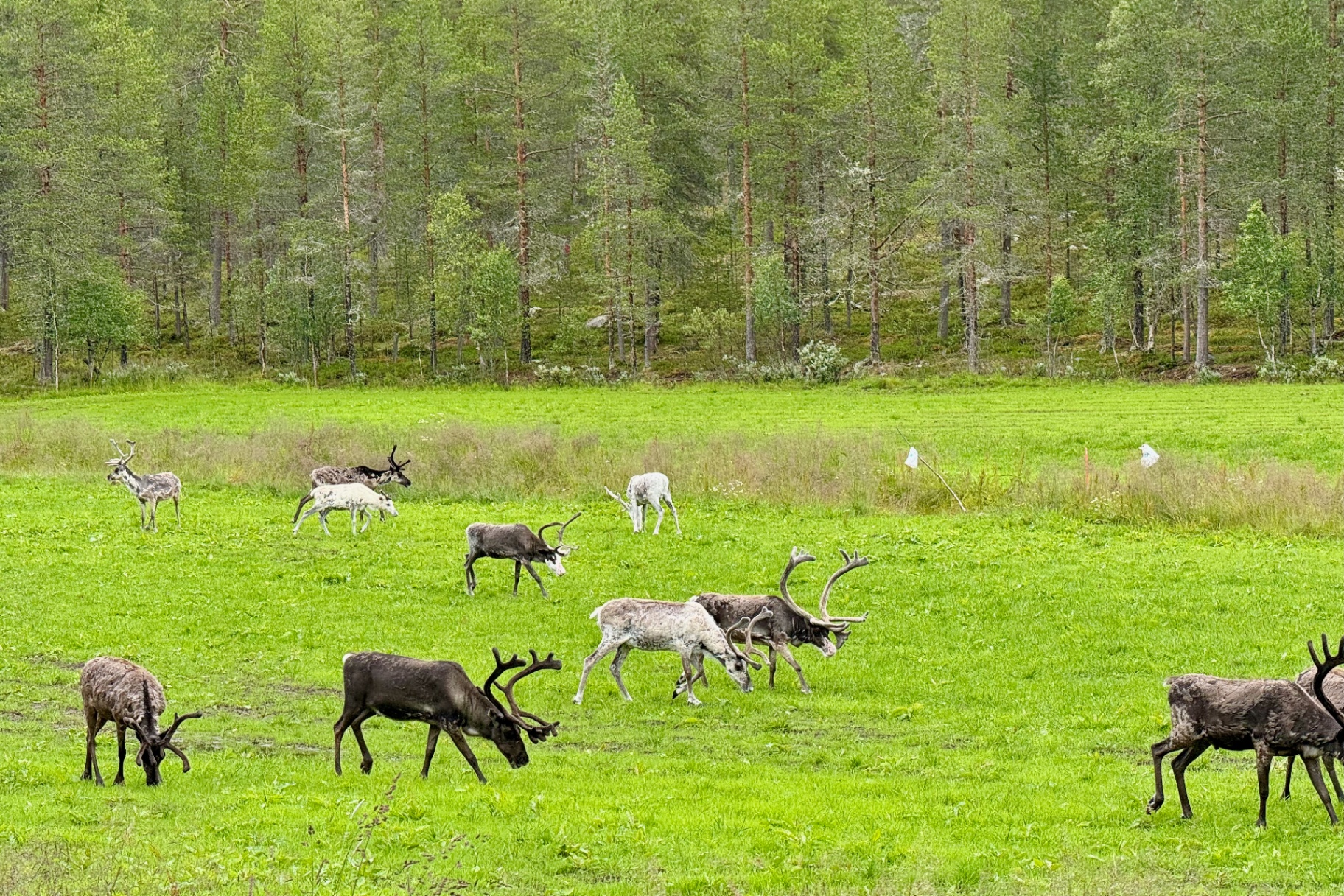
Herds move through the area seasonally. 500 meters behind the farm, there is a reindeer fence to keep them out of cultivated farmland. Quite often, some reindeer manage to bypass the fence and wander the farm fields around the farm.
Read more on Wikipedia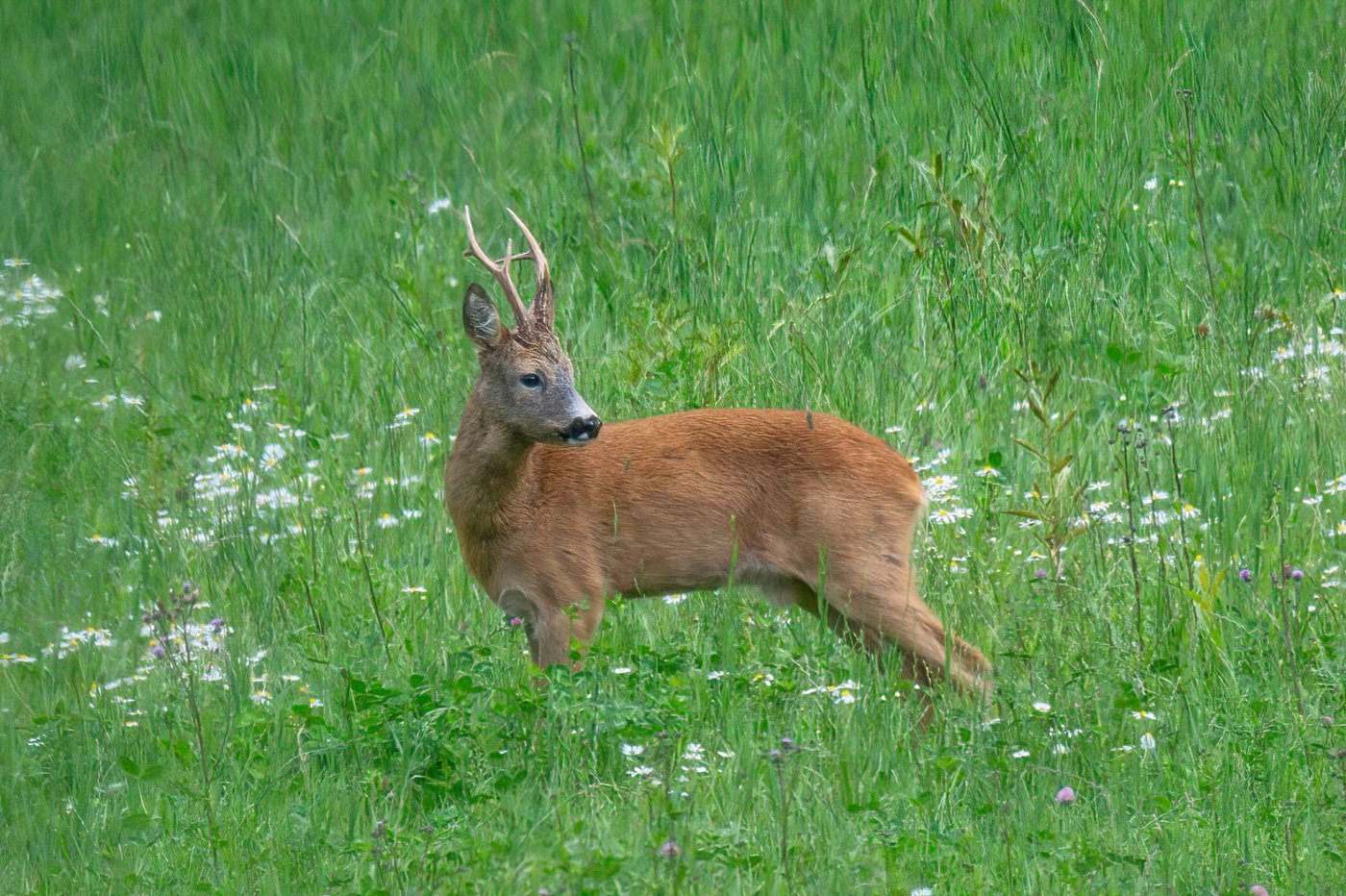
Roe deer
These beautiful animals very often stay in the woods right behind the farm close by our "summer shed" (red building in the forest).
Read more on WikipediaImage: Bengt Nyman — CC BY-SA 4.0
Small mammals
Curious, quick, and often seen right around the farm buildings. These smaller animals are part of the daily rhythm of life at Forest Ranger Farm.
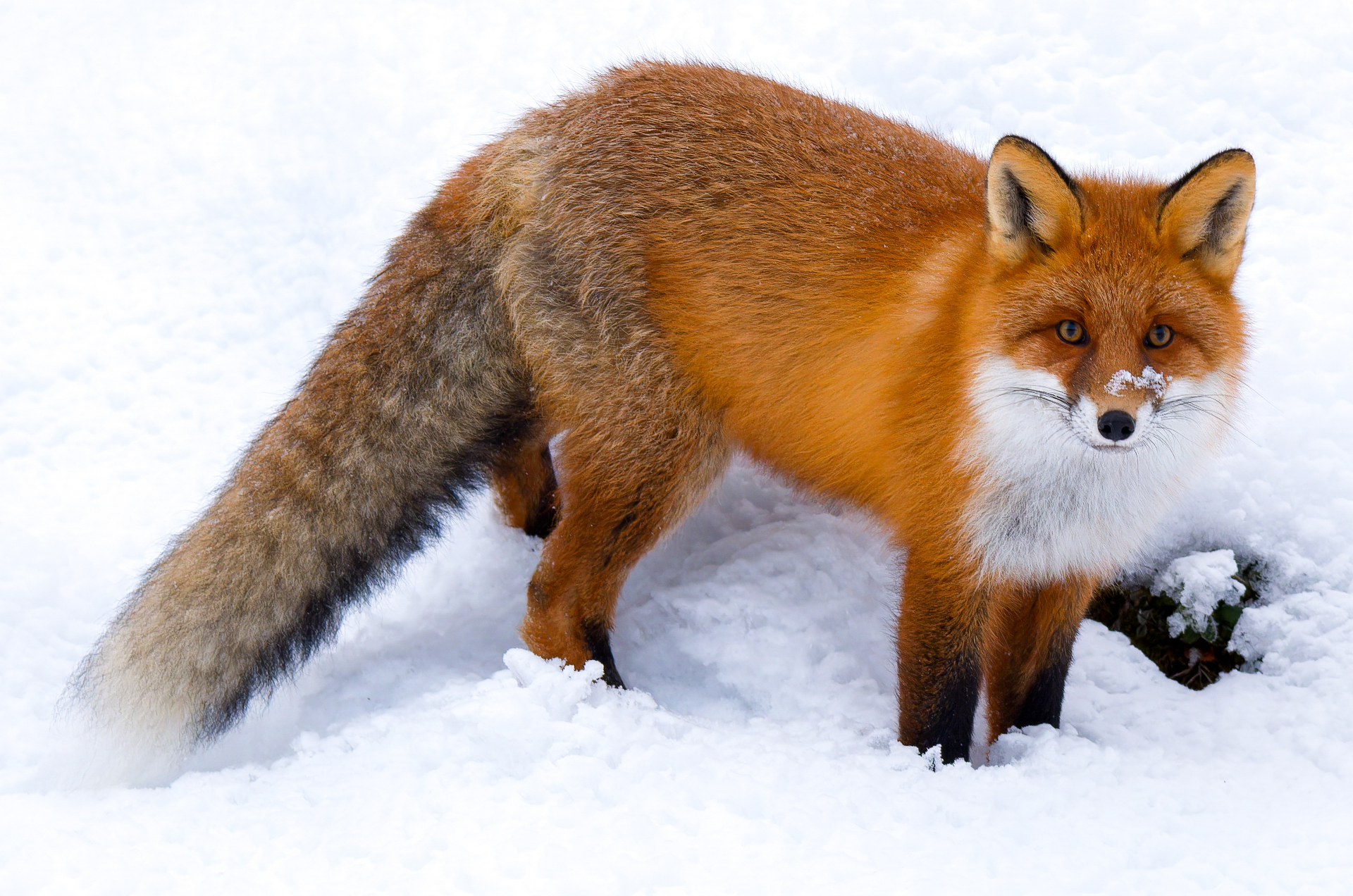
Red fox
Seen often wandering the edge of the pine forest behind the farm, and occasionally crossing the farm courtyard when no people are around. A quiet, curious presence on the property.
Read more on WikipediaImage: ClaudiaTen — CC BY-SA 4.0
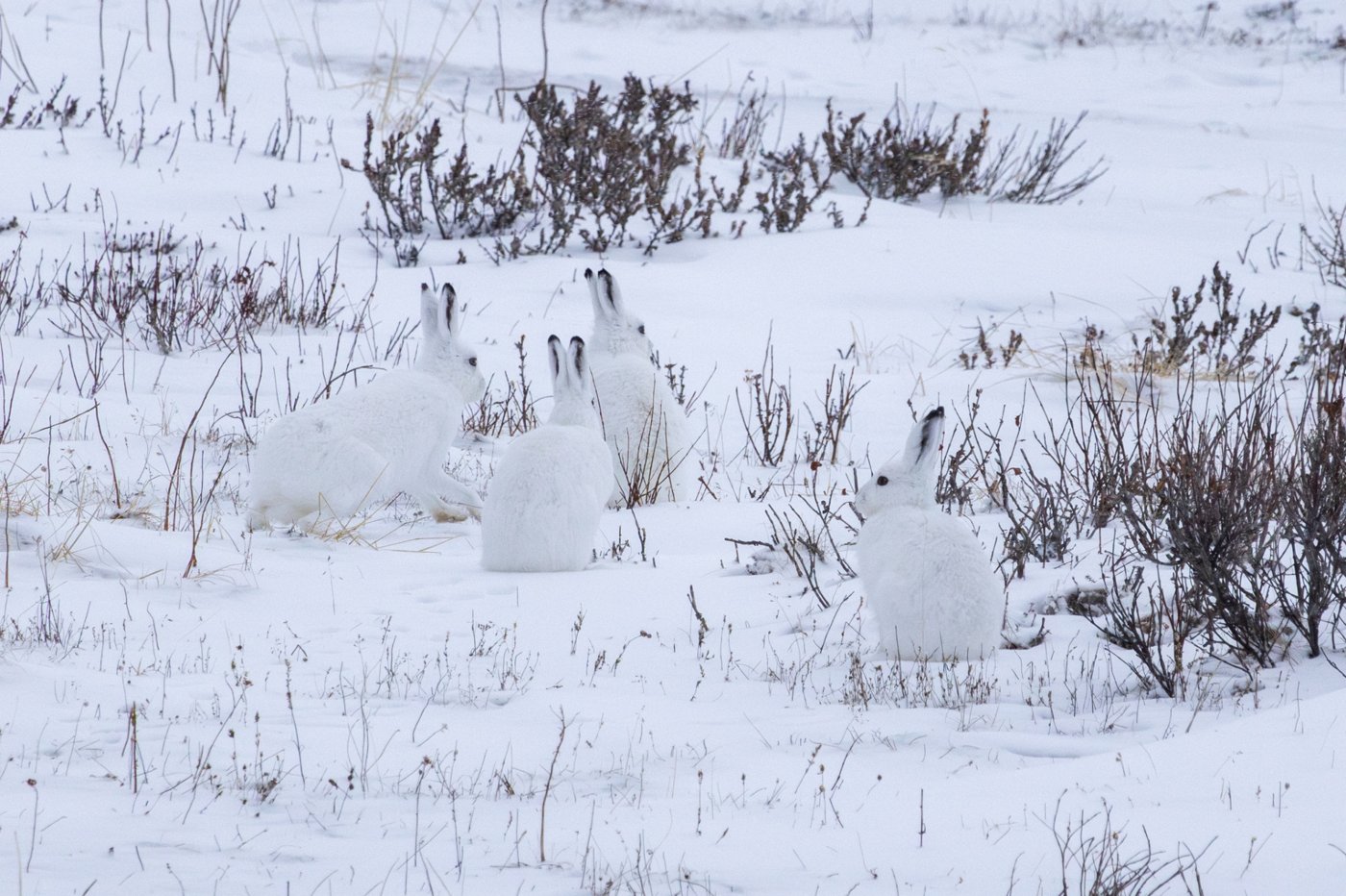
Mountain hares
Often seen darting into the courtyard, white in winter and brown in summer.
Read more on WikipediaImage: Diego González Dopico — CC BY 4.0
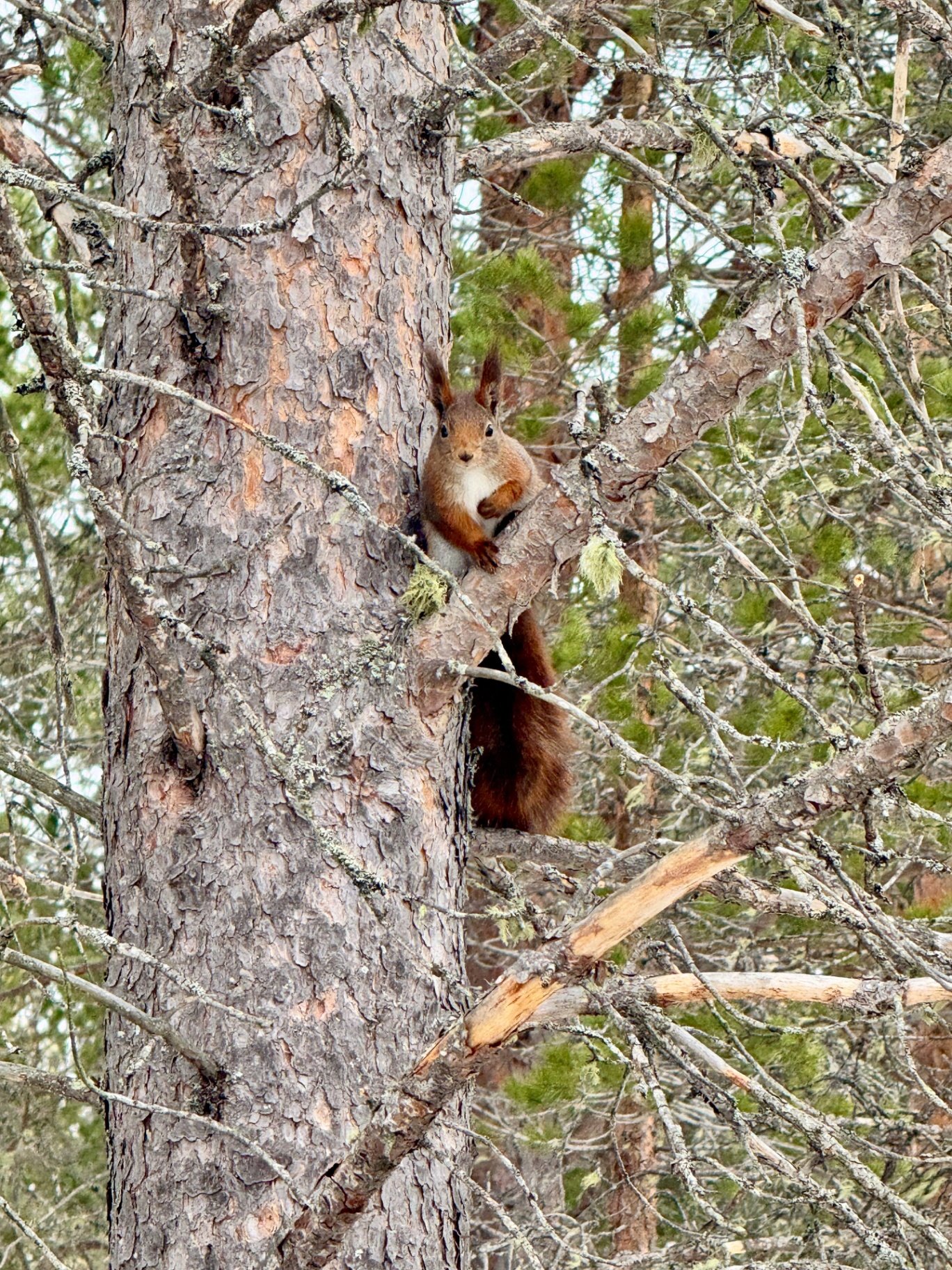
Red squirrels
Live in the pines of the forest belonging to the farm. Charming and curious creatures.
Read more on WikipediaBirds
From nesting house martins under the eaves to golden eagles riding thermals above the forest, the birdlife around the farm is varied and lively.
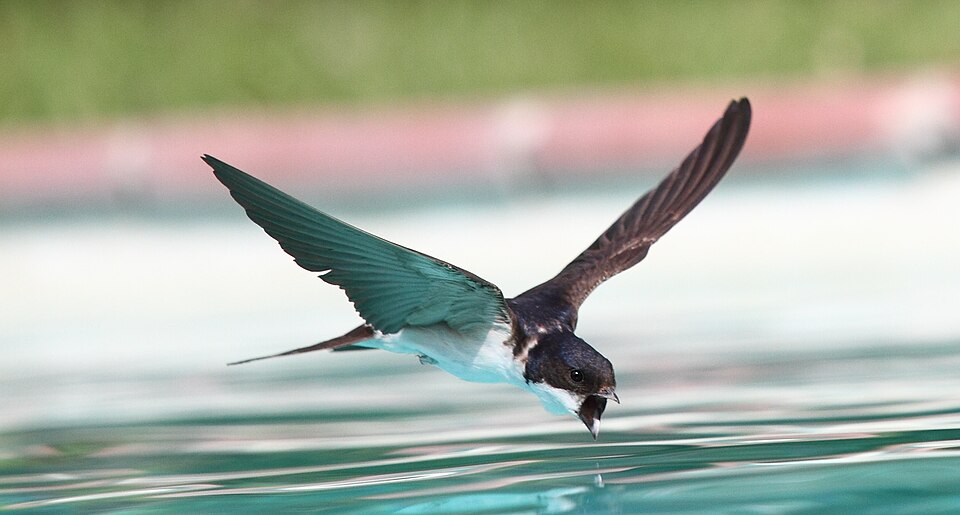
House martins
Resident on the farm, nesting under the roof tips. An entertaining sight as they criss-cross the farm buildings through the day.
Read more on WikipediaImage: sanchezn — CC BY-SA 4.0
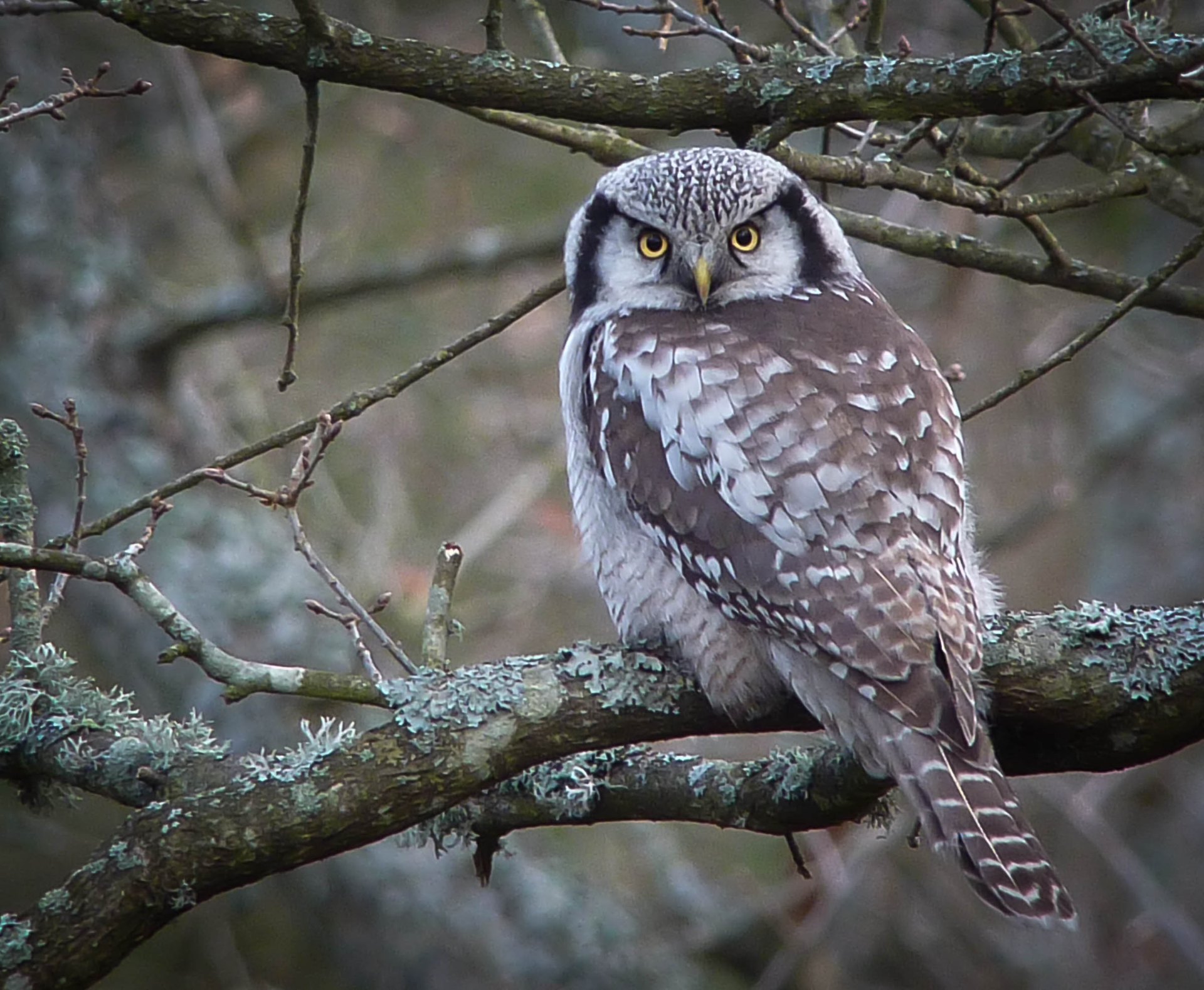
Northern hawk owl
A frequent visitor, often sitting in the trees next to the house. It often hunts across the farm fields during the daytime.
Read more on WikipediaImage: Dan Frendin — CC BY-SA 4.0
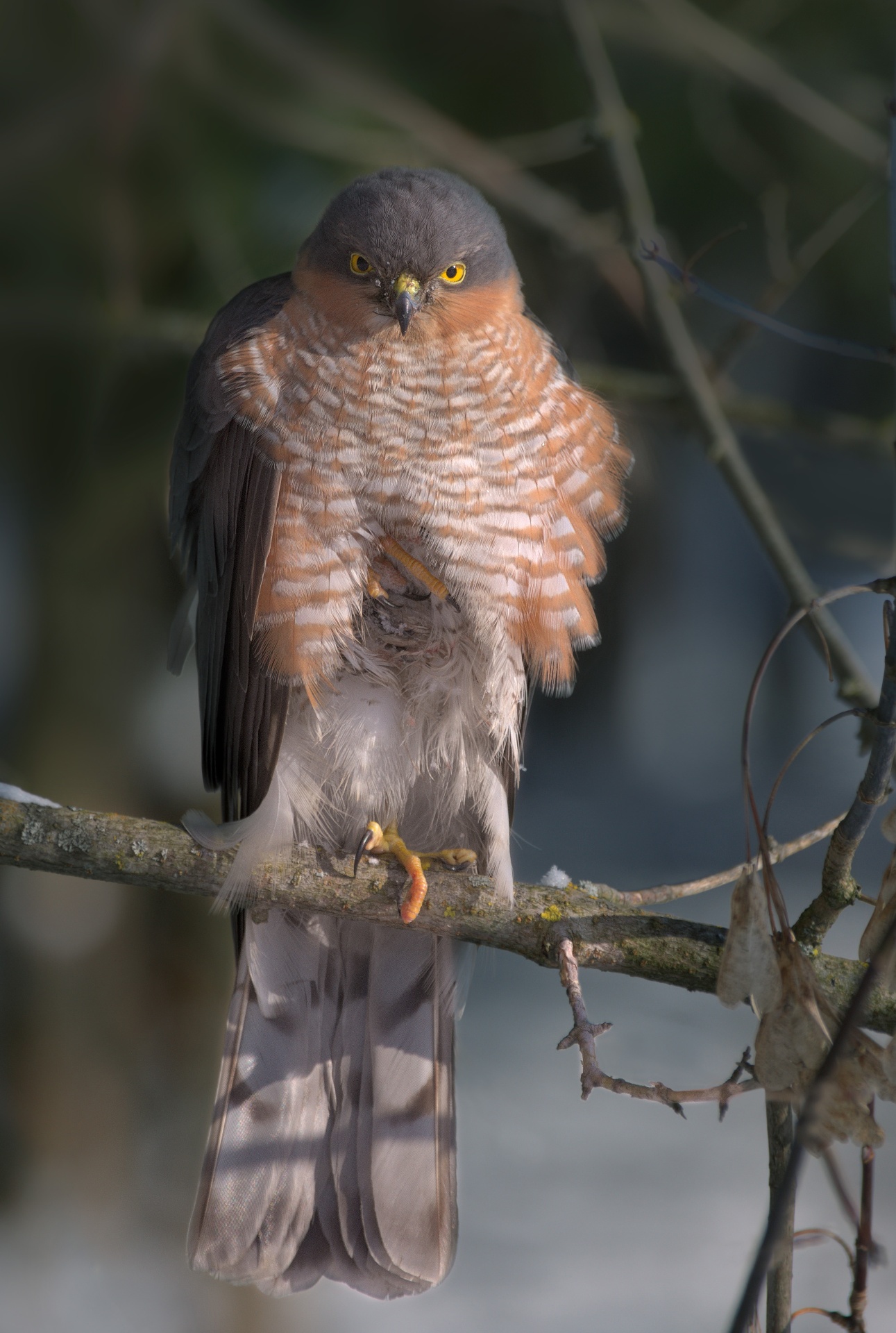
Sparrowhawk
A daily observation around the farm. We have plenty of small birds around the farm buildings and fields, so the sparrowhawk keeps a close eye on them.
Read more on WikipediaImage: Dion Art — CC BY-SA 4.0
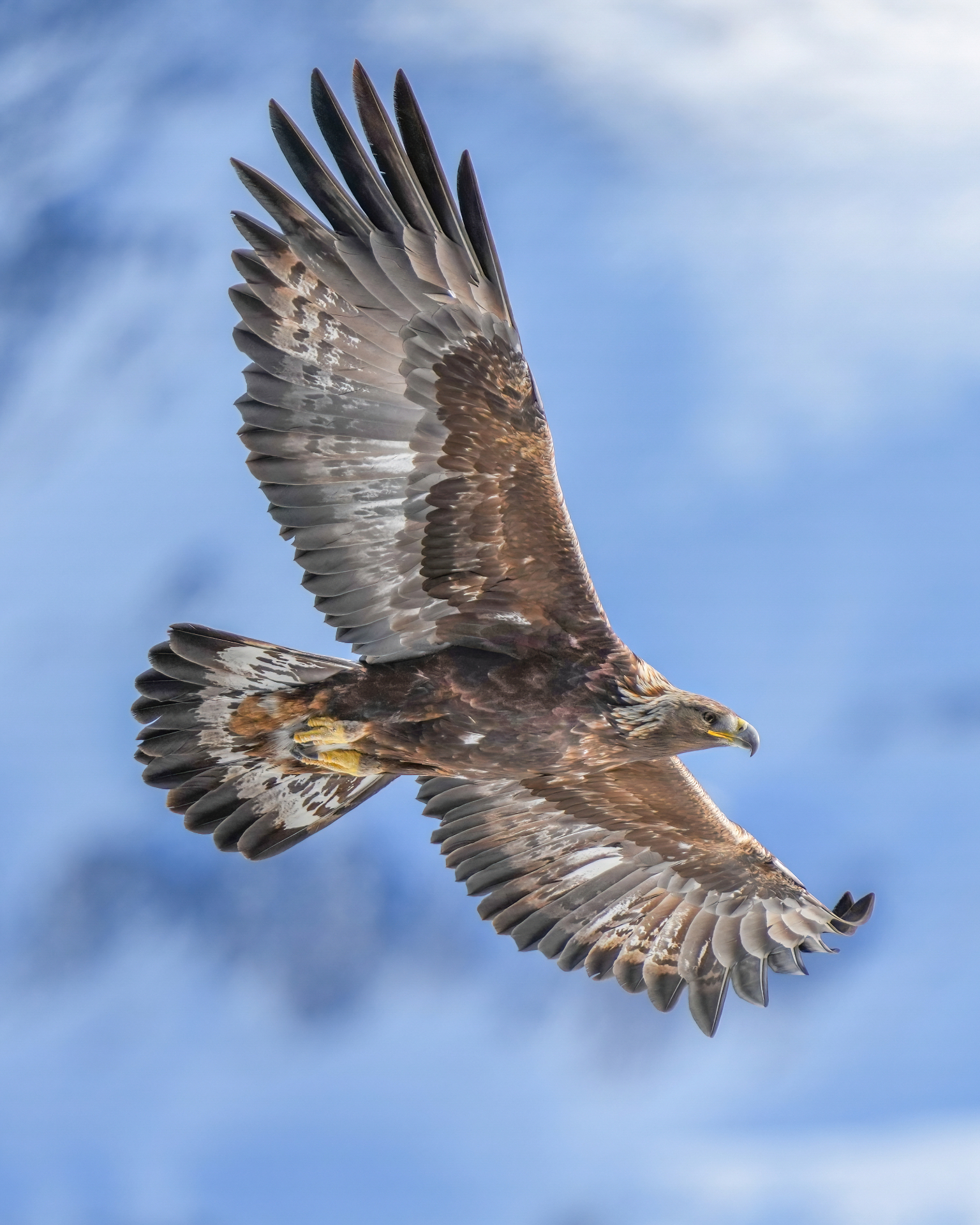
Golden eagle
Can be seen deeper into the pine forests, a powerful silhouette riding the thermals above the wilderness.
Read more on WikipediaImage: Giles Laurent — CC BY-SA 4.0
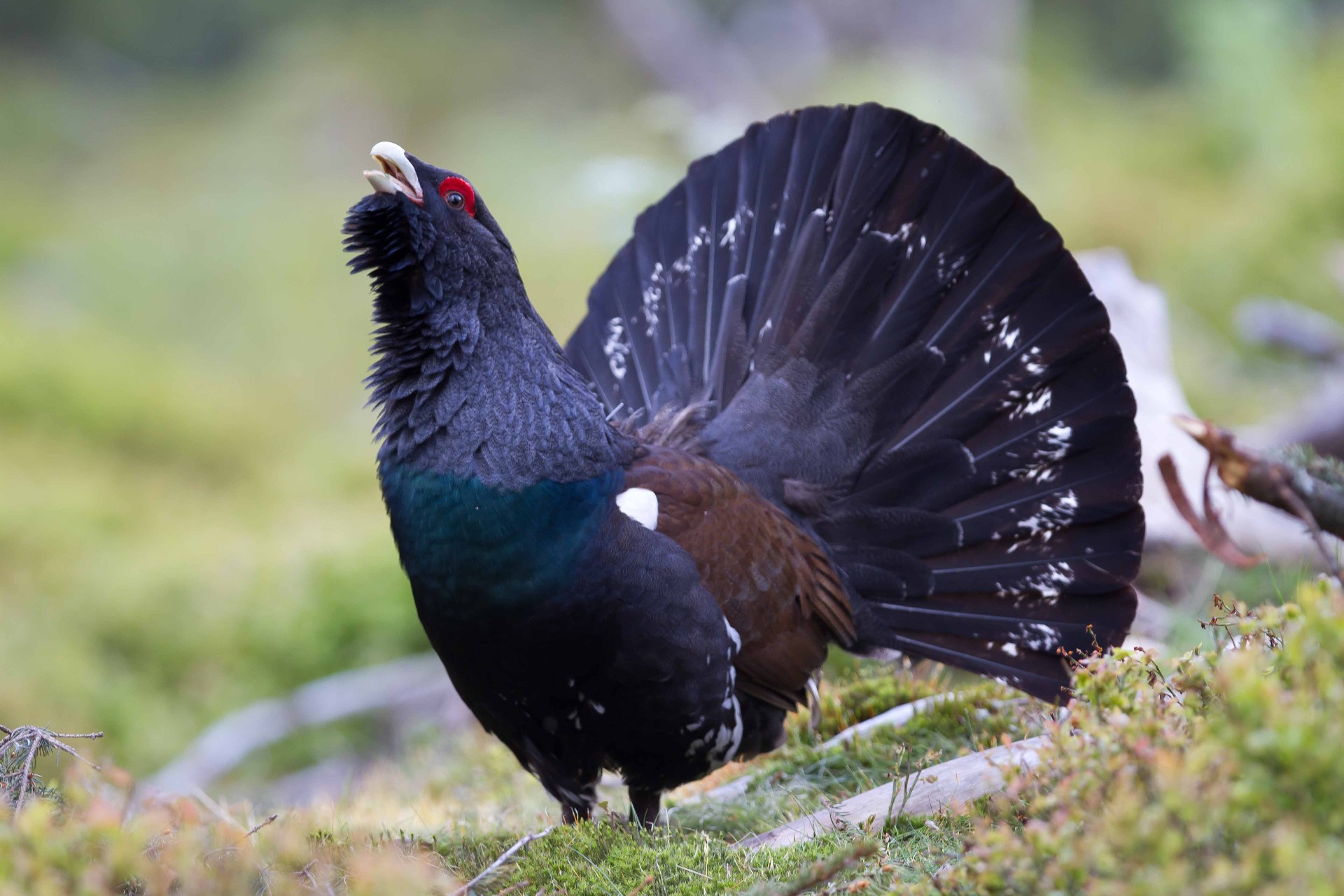
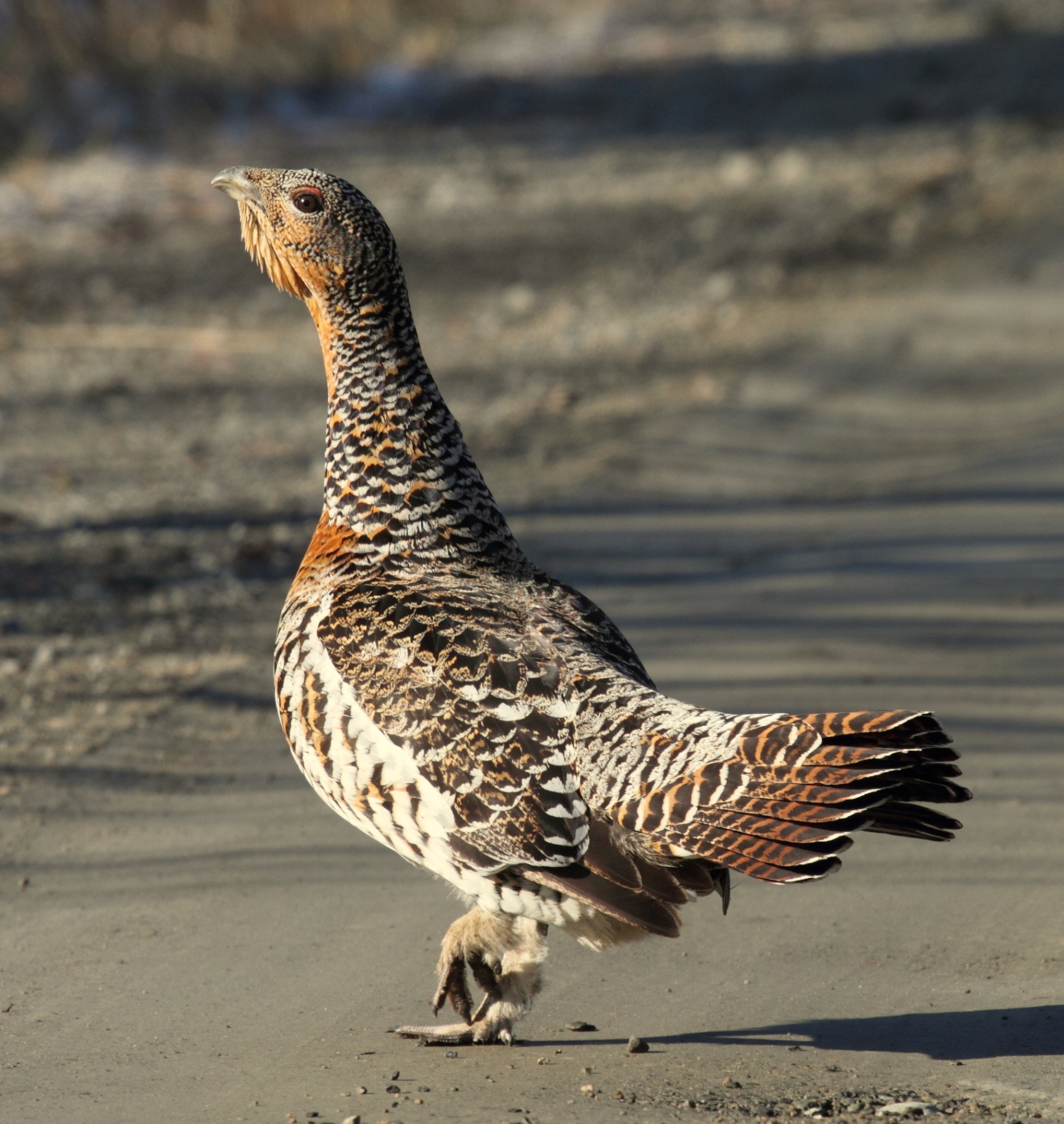
Western capercaillie
The largest member of the grouse family, found in the mature pine and spruce forests of the region. Males are unmistakable in spring when they gather to display and call. Females are smaller and more cryptically coloured, blending into the undergrowth.
Read more on WikipediaImage 1: David Palmer — CC BY 2.0
Image 2: Lars Falkdalen Lindahl — CC BY-SA 2.0
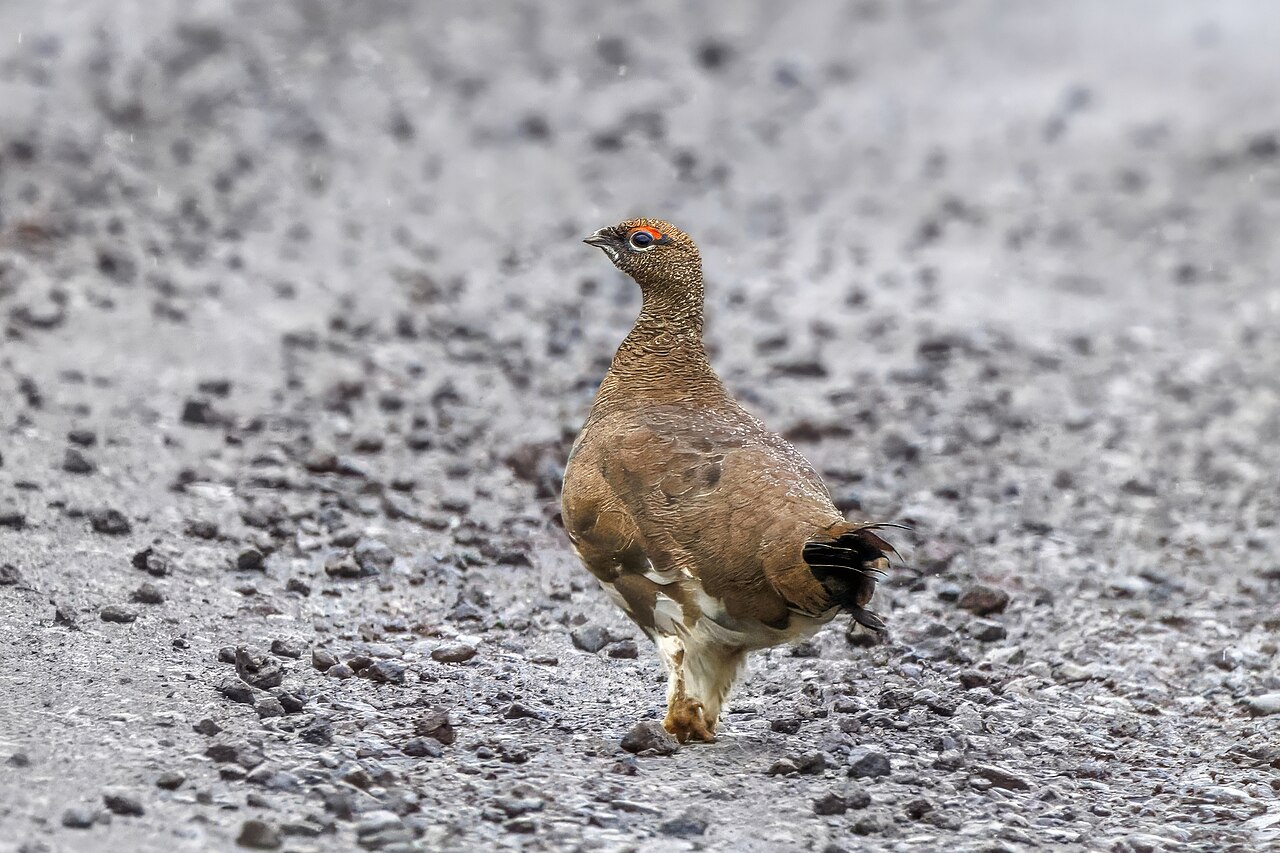
Rock ptarmigan
A hardy grouse of the high country and open hillsides. In winter it turns almost pure white; in summer it wears mottled brown plumage that blends into the rocks and heather. Its harsh calls are a classic sound of the Norwegian mountains.
Read more on WikipediaImage: Charles J. Sharp — CC BY-SA 4.0